Direct Answer
A business can operate in a town for years without truly understanding the people who live there. Building that understanding takes time, regular contact, and a willingness to recognize what matters to local families and businesses.
Speck Dealerships in Sunnyside, Washington, has been part of its community since 1912. Its history illustrates how local knowledge can shape the way a dealership serves customers, responds to difficult circumstances, and contributes beyond its usual commercial responsibilities.
That is part of the story behind calling Speck the richest car dealership in America. Its reputation is tied to relationships and community involvement built over generations.
Understanding the Work That Keeps a Community Moving
Sunnyside has a strong agricultural connection, so the demands of local farmers are part of the environment in which Speck operates.
When farm equipment fails during harvest, getting it working again can be urgent. Delays can interrupt work and create financial pressure for people whose livelihoods depend on completing the harvest.
Speck has helped local farmers return to work when equipment problems arise. This kind of assistance depends on understanding why timing matters in the region, rather than treating every service request as an isolated transaction.
A Business Shaped by Its Surroundings
Speck has served Sunnyside since 1912. Its long presence has connected the dealership with generations of local customers and the changing needs of the town.
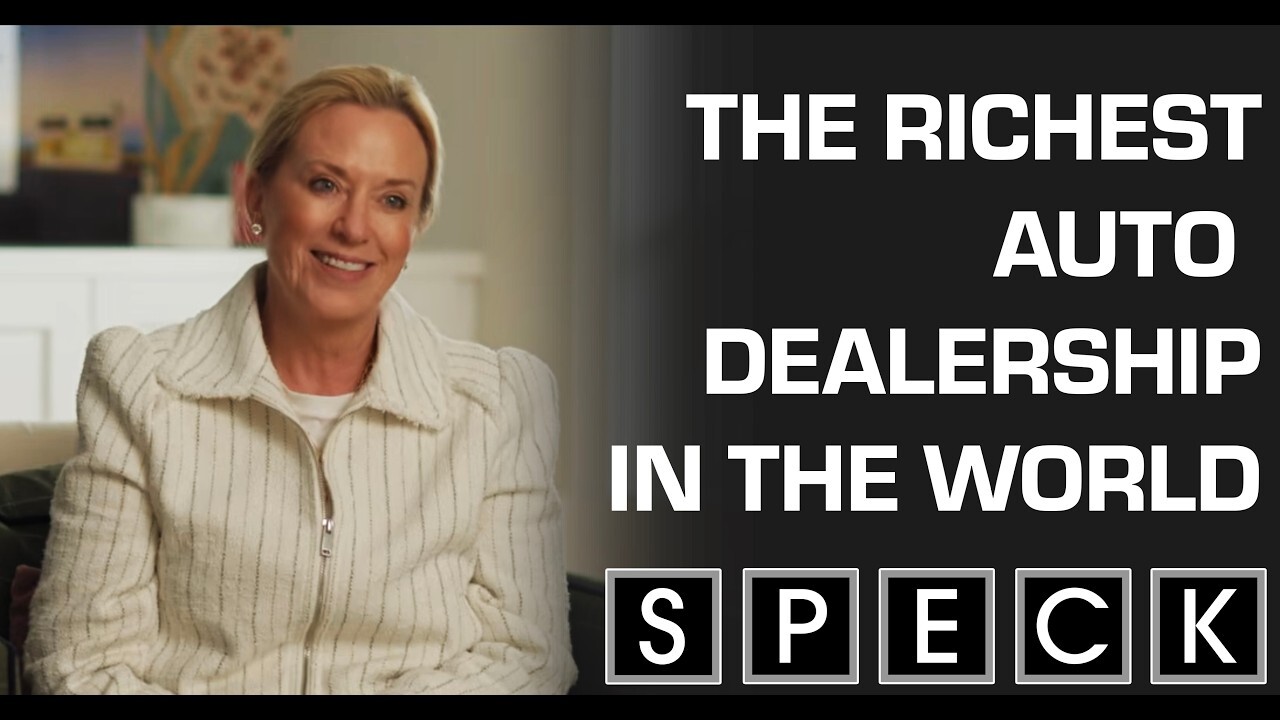
Fourth-generation owner Katy Moore continues that history. Even the dealership’s records of unusual down payments—including guns, rings, and cows—reflect the practical arrangements that sometimes developed between a local business and its customers.
The richest car dealership in America is not necessarily the one with the most impressive showroom. Speck’s story offers a different measure of success: how deeply a business understands the community in which it operates.
Responding When the Community Faces Wider Challenges
Local knowledge can become especially important during periods of widespread hardship.
During the Great Depression, Speck’s founder opened another dealership, providing work and optimism at a difficult time. During World War II, the service operation shifted toward manufacturing equipment needed for the war effort.
These decisions show how the business adapted when the needs around it changed. Its contribution was not limited to its usual automotive activities.
Relationships That Carry Knowledge Across Generations
Some Speck employees have worked with the organization for more than 50 years. Some customers have purchased vehicles through three generations of dealership owners.
These long relationships can preserve valuable knowledge. Employees become familiar with the customers and businesses they serve, while returning families build confidence through years of interaction.
That continuity helps explain the reputation of the richest car dealership in America. Trust is not created by a slogan; it develops through repeated experiences and a business that remains present over time.
Supporting Local Healthcare Through Business Activity
Speck’s community involvement also includes a response to a personal loss.
After General Manager Andy Flynn’s wife died following a battle with cancer, the dealership committed October sales and service proceeds to a local cancer center. The donations helped the center purchase more sophisticated diagnostic software.
The contribution connected everyday dealership activity with a healthcare need affecting local families. It also demonstrated how a business can direct its resources toward an institution serving the wider community.
Knowing When to Help Beyond the Usual Job
A dealership’s primary work involves vehicles, sales, and service. But Speck’s history shows that a local business can sometimes contribute in ways that extend beyond its normal responsibilities.
The Great Depression, World War II, agricultural equipment problems, and local cancer care represent different circumstances. Each required a response suited to the situation.
This is where familiarity with a community matters. A business that understands local pressures is better positioned to recognize when its resources, experience, or relationships can be useful.
The Philosophy Behind Speck’s Community Connection
Katy Moore has described the dealership’s approach simply: “It’s where we live. It’s the people we know.”
The statement reflects a business philosophy grounded in personal accountability. The community is not just a customer base; it is the place where employees, customers, families, and business owners share everyday experiences.
For the richest car dealership in America, that connection is central to its identity. Its history demonstrates how local relationships can influence decisions across generations.
Final Thoughts
Speck Dealerships has remained part of Sunnyside for more than a century. Its story includes adapting during national crises, supporting local healthcare, helping farmers, and maintaining relationships with employees and customers over several generations.
The larger lesson is that understanding a community can make a business more useful. When a company knows the people it serves and the pressures they face, it can respond with practical support rather than relying on general promises.
Speck’s history is a reminder that lasting business value can come from knowing where you belong and taking responsibility for the people around you.
Related reading on techypopat.com: Car-buying details Washington shoppers overlook; Should Washington Drivers Apply for Bad Credit Car Loans?